
This time of life brings many changes, from your energy levels to your sleep patterns. While it can feel unpredictable, it can also be a period of empowerment. You have the power to support your body and mind through this transition, and the team at OneUp Fitness can help with choices that build well-being for years to come.
This guide offers information to help you feel strong, capable, and in control of your health journey. You can build a foundation of strength and resilience that helps you feel your best through this transition and beyond. Meaningful change comes from challenging work, and with the right focus and support from an experienced fitness trainer, you can achieve your goals.
What to Expect: Perimenopause & Menopause Symptoms
As your hormones shift during perimenopause and menopause, you may notice different physical and mental changes. It’s helpful to remember that these experiences are common for many women and that there are effective ways to manage them.
Common Physical Changes
Your body is adjusting to a new hormonal balance, which can show up in several ways. You might experience:
- Hot flashes & night sweats
- Irregular periods or changes in your cycle
- Sleep disruptions
- Changes in body composition. Understanding these shifts through precise body composition measurement can help you tailor your fitness approach.
Emotional & Cognitive Shifts
It’s not just your body that feels different—your mental and emotional states can shift, too. You may find yourself dealing with mood swings, increased irritability, or brain fog that makes it hard to focus. It’s also common to notice changes in your overall energy levels.
Build Your Support Team & Explore Your Options
You don’t have to navigate this journey alone. A team of knowledgeable professionals can offer guidance that is tailored to your specific needs and health history, giving you a clear path forward.
How to Find a Health Practitioner
To find a practitioner who can help, you can explore resources from organizations likeThe Menopause Society of Nova Scotia or the Canadian Menopause Society. These groups can offer information and help you join the conversation about women’s health.
A Look at Menopause Hormone Therapy (MHT)
Menopause Hormone Therapy, or MHT, is an option some women choose to manage symptoms. This involves a thorough discussion with your healthcare provider to review your health history and decide if it is a suitable path for you.
Strength Exercise as Your Ally
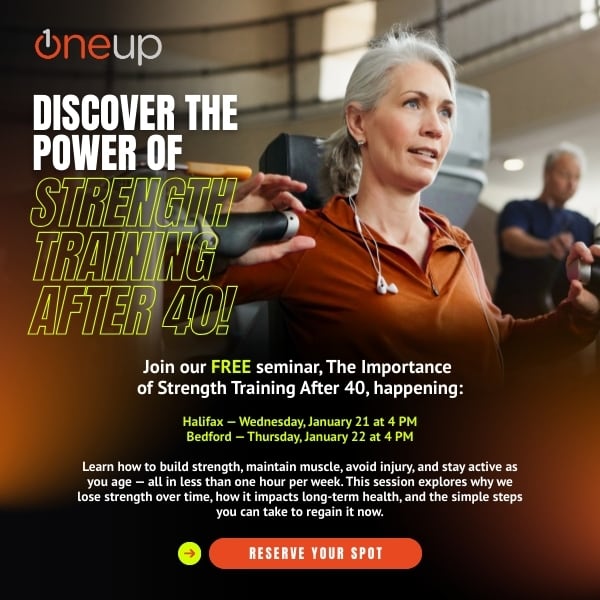
While activities like walking and yoga are beneficial, resistance training offers unique advantages during this stage of life. It provides the specific challenge your body needs to protect your bones, build muscle, and support your metabolism.
Protect Your Bones & Build Muscle
A decline in estrogen can affect bone density and lead to muscle loss, a condition known as age-related muscle atrophy. Lifting weights puts productive stress on your bones, which helps strengthen them. It also helps you maintain or build lean muscle mass, which is important for a strong, resilient body.
Boost Your Metabolism & Manage Weight
Muscle is more metabolically active than fat, so building it through resistance training helps support your metabolism. This can make it easier to manage the body composition changes that often come with perimenopause and menopause.
Improve Mood & Mental Clarity
Challenging physical activity is also a powerful way to support your mental health. A focused strength training session can help reduce stress and lift your mood, and even improve your concentration and mental clarity.

More Than Just Weights: A Complete Wellness Plan
A well-rounded approach to your health combines effective exercise with supportive daily habits. Small, consistent efforts in other areas of your life can make a big impact on how you feel every day.
Fuel Your Body with Smart Nutrition
Focus on getting enough protein to support muscle repair and growth, along with calcium to support your bones. Simple nutritional adjustments, like adding a source of protein to each meal, can make a big difference. Aim for 25-30 grams of protein per meal, think a palm-sized portion of chicken, fish, or tofu, or a scoop of protein powder in a smoothie. Pair this with calcium-rich foods like dairy, leafy greens, or fortified plant milks.
Don’t forget healthy fats from sources like nuts, avocados, and olive oil, which help your body absorb important nutrients and keep you feeling satisfied throughout the day.
Prioritize Rest with Good Sleep Hygiene
Quality sleep is key to recovery and overall health, and it can be especially challenging during perimenopause and menopause when night sweats and hormonal fluctuations disrupt your rest. You can encourage deeper sleep by creating a simple, relaxing bedtime routine.
Try to go to bed and wake up at consistent times to regulate your body’s internal clock. Make your bedroom a cool sanctuary, aiming for around 18-20°C, and keep it dark and quiet.
Avoid screens for at least an hour before bed, as blue light can interfere with sleep. A warm bath or light reading can help your body wind down naturally.
Manage Stress & Support Your Mind
Chronic stress can amplify menopause symptoms like mood swings and brain fog. Find activities that help you unwind and calm your mind. A quiet walk in nature, even just 10-15 minutes, can lower stress levels and clear your head. Try a few minutes of gentle stretching or simple deep breathing exercises: inhale for four counts, hold for four, and exhale for six.
The key is consistency, as even small daily practices can help you feel more balanced and in control.
How to Choose Safe & Effective Menopause & Perimenopause Supplements
Before adding anything new to your routine, a conversation with your healthcare provider is the best first step. They can help identify your specific needs. When choosing supplements, look for brands that have been tested by an independent third party—seals from organizations like NSF or USP are a good sign.
Address Common Nutrient Gaps First
Hormonal changes can affect how your body absorbs certain nutrients. Before you look at specialized formulas, make sure you have the basics covered. Common nutrients that may need attention include:
- Vitamin D
- Magnesium
- Calcium
- B Vitamins
Common Supplements for Menopause & Perimenopause Symptom Relief
There is no single supplement that works for everyone because each woman’s experience is unique. However, some have been studied for their potential role in managing common symptoms.
For Hot Flashes & Night Sweats
- Black Cohosh
- Maca Root
For Mood & Sleep Support
- Magnesium Glycinate
- L-Theanine
For Bone & Joint Health
- Calcium & Vitamin D
- Collagen
Your First Steps to a Stronger You
You can start your health and fitness journey with confidence by focusing on consistency and proper guidance. Every step you take builds a foundation for lasting health and vitality.
Start with a Solid Foundation
Begin with manageable workouts and gradually increase the challenge as you get stronger. The goal is steady progress, not perfection. A supportive, non-crowded environment helps you focus on your form and your goals without distractions.
The Value of a Tailored Program
Your body is unique, and your fitness plan should be, too. A customized approach from a kinesiologist makes your efforts more effective. Getting personalized attention from a dedicated coach during your sessions is one of the key benefits of one-on-one personal training.
Focus, Effort & Expert Guidance
Meaningful results come from focused, challenging work. When you work with a professional, you can learn proper form and technique for a safe and effective workout. Expert guidance at a studio like OneUp Fitness can help you direct your effort where it counts for the best results.